Access to affordable financing is essential for small businesses in the Philippines. Whether entrepreneurs want to purchase inventory, upgrade equipment, hire employees, or expand their operations, having enough capital can make a significant difference to business growth.
However, many micro, small, and medium enterprises (MSMEs) struggle to obtain loans because of limited credit history, collateral requirements, or high borrowing costs. Fortunately, Filipino entrepreneurs can explore several financing options through government institutions, commercial banks, microfinance providers, and digital lending platforms.
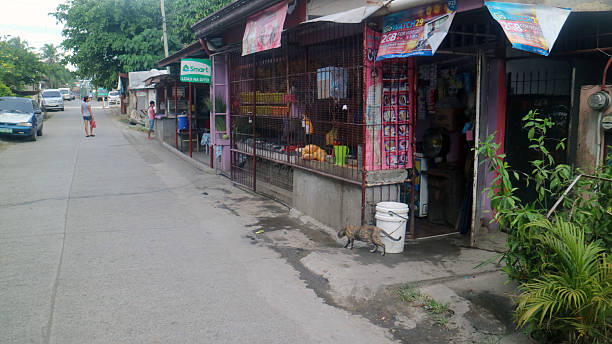
Understanding these options can help business owners find suitable funding while keeping their borrowing costs manageable.
Understand Your Business Financing Needs
Before applying for financing, identify exactly how much money your business requires and how the funds will be used. Some Small Businesses need working capital to purchase inventory and pay suppliers, while others require long-term financing for equipment, property, or expansion.
Preparing a clear financial plan can help determine the appropriate loan amount and repayment period. Business owners should also estimate their monthly revenue, operating expenses, and expected cash flow.
Borrowing only what the business genuinely needs can reduce interest expenses and make repayments easier to manage.
Explore Government-Backed Financing Through SB Corporation
One of the important financing options for Filipino entrepreneurs is the Small Business Corporation (SB Corp), a government financial institution attached to the Department of Trade and Industry (DTI).
SB Corp offers several financing programmed designed to support MSMEs. Its RISE UP programmer provides multipurpose financing for eligible Small Businesses that need capital for operations, recovery, or expansion.
Depending on the programme and eligibility, Small Businesses may access financing with flexible repayment conditions. According to SB Corp’s published programme information, certain RISE UP loans are available without collateral up to specified limits.
Entrepreneurs can review available programmes and application requirements through the official SB Corp website. <Cite refs={[“turn405120search0″,”turn405120search1”]}/>
Consider the Women’s Enterprise Fund
Women entrepreneurs in the Philippines can also explore the Women’s Enterprise Fund, introduced by DTI through SB Corp.
This programme supports women-owned and women-led MSMEs that need financing for business expansion, equipment purchases, franchising, and other commercial activities. Published programme information includes loan amounts ranging from ₱30,000 to ₱20 million, with an interest rate of 1% per month based on a diminishing balance. Repayment terms can extend up to five years, depending on the financing option.
Eligible applicants may need government-issued identification, business registration documents, photographs of business operations, and other supporting records.
This initiative provides an additional financing opportunity for Filipina entrepreneurs who want to develop sustainable businesses. <Cite refs={[“turn405120search7″,”turn405120search3”]}/>
Compare Bank Loans and Microfinance Options
Commercial banks are another important source of small business financing in the Philippines. Financial institutions such as BDO, BPI, Metrobank, and Land Bank offer different credit products for eligible customers and Small Businesses .
Bank financing may be suitable for established companies with regular revenue, documented financial records, and a positive credit history. However, Small Businesses may face stricter eligibility requirements or collateral conditions.

Microfinance institutions can provide another option, particularly for entrepreneurs operating small shops, market stalls, and home-based businesses. These providers may offer smaller loan amounts and repayment arrangements designed around microenterprise needs.
Before accepting an offer, compare interest rates, processing charges, repayment periods, and the total cost of borrowing.
Prepare Your Business Documents
Having complete and accurate documentation can improve the loan application process. Most financing providers request proof that the business is operating legally and can generate enough income to repay the loan.
Common documents include DTI or SEC business registration, a Mayor’s Permit, valid government-issued identification, bank statements, and financial records. Some programmes may also request photographs of business operations, proof of sales, or tax documents.
New businesses should maintain proper records from the beginning. Keeping track of sales, expenses, inventory, and bank transactions can help demonstrate financial stability when applying for financing.
Build a Strong Business Credit Profile
A positive credit profile can improve access to affordable financing. Lenders generally assess repayment history, outstanding debts, income, and the overall financial condition of the business.
Business owners should pay existing loans on time and avoid taking on more debt than their revenue can support. Maintaining separate business and personal financial records can also make it easier to demonstrate the company’s financial performance.
Regular bank transactions and accurate financial statements provide useful evidence of business activity. Over time, responsible financial management may help entrepreneurs qualify for better financing opportunities.
Use Digital Platforms to Find Financing Opportunities
Digital financial services have made it easier for Filipino entrepreneurs to explore loan products and submit applications. Some institutions allow applicants to register, upload documents, and monitor application progress through websites or mobile applications.
For example, SB Corp provides online application access through its official platform and SB Corp Money app. This allows eligible entrepreneurs to review financing programmes without relying entirely on physical branch visits.
However, business owners should verify that a digital lender is authorised to operate in the Philippines. Avoid suspicious websites that promise guaranteed approval or request unexplained advance payments.
Choose a Loan That Matches Your Cash Flow
Affordable financing is not simply about finding the lowest advertised interest rate. Entrepreneurs should consider whether the repayment schedule matches their business income.
For example, a seasonal business may experience stronger sales during certain months and lower revenue during others. A repayment arrangement that ignores these fluctuations could create unnecessary financial pressure.
Compare the total effective borrowing cost, monthly instalments, additional fees, and late payment conditions before signing an agreement. It is also useful to maintain an emergency reserve so that unexpected expenses do not affect loan repayments.
Conclusion
Filipino small businesses have several ways to access affordable financing, including government-backed programmes, commercial bank loans, microfinance institutions, and digital lending services.

Programmes offered through SB Corp, particularly RISE UP and the Women’s Enterprise Fund, provide opportunities for eligible MSMEs seeking additional capital. Preparing proper documents, maintaining accurate financial records, and comparing loan conditions can improve the financing process.
Most importantly, entrepreneurs should borrow responsibly and choose repayment terms that match their business cash flow. With careful planning and the right financing source, small businesses can strengthen their operations and build a foundation for long-term growth.