Personal Finance Plan responsibility and long-term objectives can be achieved by managing money wisely. Many people in Brazil have financial problems due to their increasing expenses, bills, credit card debt, and other unplanned payments. A solid personal finance plan can help people make these decisions and enhance their lifestyles.
Regardless of how you earn your income, whether as a student, worker, freelancer, or business owner, it is crucial to know how to handle it so as to achieve financial independence. This guide will be able to talk about the practical techniques behind personal finance in Brazil that can assist you in saving cash and managing your bills, in addition to creating a secure financial future.
The first step is to determine your monthly income and expenses
The first step in developing a personal finance plan in Brazil is to determine your income and expenditures each month.
First, determine your monthly income from your salary, freelance work, business, or any other means. Write down your regular expenses such as:
- Rental and housing expenses.
- Food and household items.
- Electricity, water and internet bills
- Transportation expenses
- Healthcare and education
Cards and loans: credit card and loan payments amount to $236.50.
You will be able to see clearly if there are unnecessary expenses by following these. Then you can adjust and keep your monthly budget at check.
To make a Realistic Monthly Budget, follow these steps.
One of the most helpful finance tools for Personal Finance Plan is a monthly budget. It can help you allocate your income into bills, savings, and your lifestyle.
One way to do this is to create a budgeting system, such as:
- You will have to pay 50% of your standard living costs.
- 30% for personal spending
- 20% Debt repayment and savings
This is just a beginning. Your budget should be based on your income and your expenses in Brazil.
Other options include budgeting apps or just a good old fashioned spreadsheet. One of the advantages of regularly checking your budget is that you will readily be able to see if you are having financial issues before they get out of hand.
Save for an Emergency Savings Fund
Anybody can be caught out with an unexpected expense. Financial stress can be caused by medical costs, home maintenance, loss of employment or emergency family expenses.
An emergency fund will protect you from these scenarios. Make sure you save a little bit from each paycheck and even if it is a little, it is still a little.
A long-term savings goal is to save three to six months of basic living expenses. Do not invest everything in high-risk financial products, instead put emergency funds in a relatively low-risk financial product that is convenient to access.
Pay off credit card debt and personal loans
Credit cards and personal loans may be able to cover costs, but when you’re not making repayments you can end up in financial trouble.
For consumers in Brazil, it is important to take interest rate, repayment terms and total cost of credit into consideration before taking out a loan.

Here are some simple suggestions:
- Pay bills with credit cards properly.
- Don’t take out a loan for unnecessary items.
- Before taking a loan, check out interest rates on loans.
- Know what the full cost of the loan is.
- Pay off high-cost debts first when making repayments.
Borrowing wisely can help maintain financial wellness and avoid debt from impacting your future plans.
Save and invest for the future
While saving money is crucial, long-term Personal Finance Plan can also include investing. After you have established a basic debt management plan and emergency fund, you may want to consider investing in some opportunities that suit your financial objectives.
There are various types of financial products available in Brazil, such as savings accounts, government bonds (e.g. Tesouro Direto), fixed-income investment, and investment funds.
Consider your risk tolerance, investment time frame, and level of investment expertise before investing. Thoroughly investigate a product before buying it, and be aware of its costs, availability and possible risks. It doesn’t require a huge sum of cash to start investing. Making smaller, more manageable payments can help you to establish a good financial routine.
Check Your Financial Plan Frequently
Your personal finance plan needs to adapt to your life and your financial situation. Salaries can go up, relocate, get married, or acquire new bills.You can be offered a raise, be assigned to a different city, fall in love, or have new bills.
Check on your finances monthly
Having definite objectives may also help to motivate you. You might, for instance, have a savings goal that involves buying a house, funding education, retirement or a business.
Enhance Financial Understanding
Financial education empowers individuals in making Personal Finance Plan . Banking Services, Interest Rates, Taxation, Investment and Credit Products are banking related topics which learning about it would boost your finance confidence.
Brazilian consumers can access financial education courses provided by financial institutions and government entities like the Banco Central do Brasil. Before making key financial decisions, always rely on reliable sources.
Conclusion
Creating a solid personal finance plan in Brazil doesn’t have to be complicated. It begins with knowing how much money you make, keeping your costs under control, paying off your debt and saving regularly.
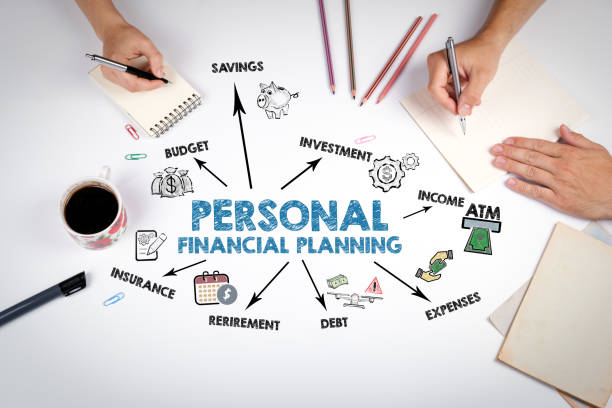
If you stick to a realistic budget, build up an emergency fund and know what kinds of investments are appropriate for you, you can slowly get your finances in order. By planning and making informed decisions, you can improve your financial stability and secure a future.
Frequently Asked Questions (FAQs)
1.What is the first step in Personal Financial Planning in Brazil?
The first step is to figure out how much money you make, what you spend, and create a realistic budget and savings goals. The following are elementary tips which can assist you with managing your funds more effectively.
2. How much money do I need to save for each month?
The dollar amount varies depending on individual situations. If you can, it’s a good goal to save 10-20% of your salary. Start with a smaller amount if necessary.
3. How to deal with debt in Brazil?
Pay bills on time, compare borrowing rates, avoid unnecessary borrowing and pay off debts with higher interest rates first. Having a clear repayment plan can help to alleviate financial stress.
4. What are the investment options for the “beginner” in Brazil?
For beginners, seek information on investments like Tesouro Direto, fixed-income investments and regulated investment funds. It depends on the financial objective and risk-taking ability.
5.Why is it good to have an emergency fund?
When you have an emergency fund, you’re not as likely to fall into the debt trap of using your credit card or taking out a Personal Finance Plan to pay for the unexpected. It will offer more financial stability in times of trouble.
Pingback: How Inflation Affects Savings and Investments - Nov2