Digital lending and online loans have revolutionized the way the European population is using financial services. The borrowers no longer need to go to a bank branch and fill out lengthy paperwork in order to explore loan options, submit applications, verify their identity, and receive decisions; they can now do all of this digitally.
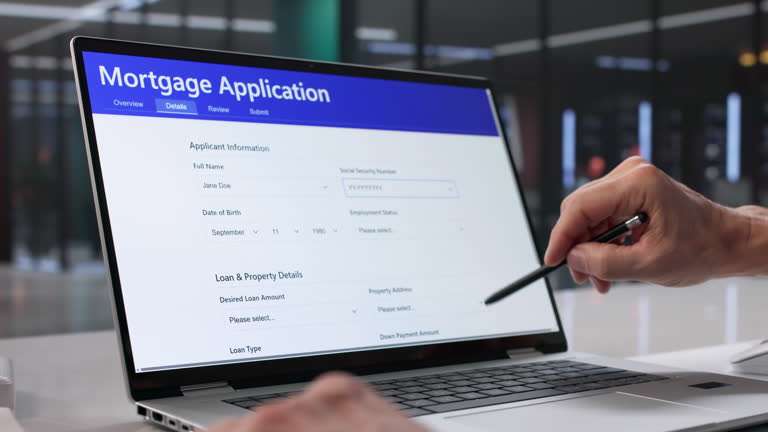
While these services can be convenient and have quicker application processes, they come with an understanding of the rates, conditions, and risks of the loans. By understanding digital lending, consumers can better inform financial decisions and make informed choices on loans.
Online loans and digital lending- what is it?
Online loans are financial products that enable people to obtain Online Loans from web pages, cell apps, or other online platforms. The broader practice of lending credit and using technology such as electronic applications, identity verification, credit checks, electronic signatures and agreements, is known as digital lending.
Digital lending can be offered by traditional banks, online banks, and specialised financial technology companies. Personal loans, short-term credit, installment financing and buy-now-pay-later services are available, depending on the provider.
There is virtually no difference in the application process. Digital lenders employ online processes to gather data and review loan applications, minimizing the requirement for in-person meetings and paperwork.
How Digital Lending Works in Europe
The digital lending journey typically starts with the customer’s entry via the lender’s website or by downloading the lender’s mobile app. The applicant chooses a loan product and fills out the personal information, as well as jobs, income and financial obligations.
The lender might ask for a copy of the identity via digital documents, photos or secure verification systems. It then checks to see if that applicant is creditworthy and if they can afford the repayments of the loan.
To assist with their decision, some lenders employ automated systems and data analysis. Once a successful application is made, the borrower will be sent a loan offer containing the amount, interest rate, length of time to pay off the loan and fees associated with the loan.
Once the borrower has electronically viewed and accepted the agreement, they can get the cash in their bank account. The processing times vary from lender to lender, country to country and application to application.
Digital loans come in various varieties
A very popular type of online loans in Europe are personal loans. They can be used to pay for home improvements, education, medical expenses, or other expenses that might arise. Typically the loans are paid back in monthly payments.
There are also short-term Online Loans at some online lending platforms. They come with higher prices than traditional bank loans, but are meant for smaller loan amounts and shorter term.
Buy-now-pay-later services enable customers to pay for products in installments instead of paying for the products upfront. These services are often linked to eCommerce platforms, but it is crucial for consumers to understand when payments are due, what the consequences are for late or missed payments and other terms and conditions.
Some of the online platforms also offer credit facilities like revolving credit or overdrafts. Availability and eligibility is subject to local financial regulations and the lender’s policies.
The advantages of an internet loan for European consumers
Convenience is one of the prime benefits of digital lending. The applicants can check the loans products and can apply for Online Loans without visiting the bank’s branch. This can help to save time, especially for those who have a lot of work to do.

Digital platforms also enable easier comparison of various offers of loans. The borrowers can take a look at the rates of interest, repayment period, fees, and monthly instalments before making the decision.
One other advantage is the capability to track the application online. A select few lenders will enable consumers to track their application and get updates via email or a mobile notification.
Digital lending can also help to make financial services more accessible to those who want to use their mobile devices for financial management. But there is no guarantee of approval and each lender has their own criteria and guidelines regarding eligibility and affordability.
Risks and Challenges of Digital Lending
Online borrowing offers a few benefits, but also has some dangers. A key worry is the risk of encountering unlicensed or fraudulent lenders. Some websites guarantee quick approval, but may charge an up-front fee, use personal information without permission, or may be bog traps.
High rates of interest is another key concern. Even with a low monthly payment advertised, a small loan can turn into a large loan when all the fees and interest are added up.
It is also important for borrowers to know the process of automated credit assessments. Digital systems can process applications quickly, but the applicant should check the information given and speak to the lender if there is anything that doesn’t look right.
Consumers may also fall victim to financial fraud or identity theft if they provide sensitive information on a non-secure site or through links that are not from trusted or known sources.
The rules for consumer protection in online loans in Europe
The EU has put measures in place to help consumers borrow more transparently and responsibly. EU consumer credit laws require lenders to give important information to the borrower before they sign the agreement, such as the Annual Percentage Rate (APR), which assists in explaining the overall cost of credit.
There is also a consumer’s right to have their capacity to repay calculated prior to providing credit. EU regulations give a borrower a 14-day period in which to revoke a valid consumer credit agreement, which means that the borrower can withdraw from the agreement without having to provide a reason to do so, though the amount of money borrowed and any interest payments are usually owed.
The directive (EU) 2023/2225, which will replace the previous Consumer Credit Directive, will enter into force on 20 November 2026. Extends consumer protection to other types of credit, such as some buy-now-pay-later products.
How To Select A Trustworthy Digital Loaner
Before making an online loan application, it is vital to pick a reliable lender. The first step is to see if the provider is authorised or registered with the appropriate financial regulator in your country.

Don’t just check the interest rate, check the annual percentage rate (APR). The APR explains to borrowers the actual expense of credit including charges that apply. Read the loan agreement carefully, and review the repayment schedule, late payment fees, early repayment fees and any extra fees. Do not have a monthly installment that is too high for you.
Conclusion
Online loans and digital lending have opened a new door to borrowing for consumers all over Europe, making it more accessible and convenient. People can compare financial products, apply for them and make repayments on digital platforms without going through all the traditional banking processes.